

New rules for holiday lets in France: the law of 19 November 2024
By Morgan Bonin · 26 December 2024
With the rise of holiday-let platforms such as Airbnb, France has adopted a new law to regulate the sector.
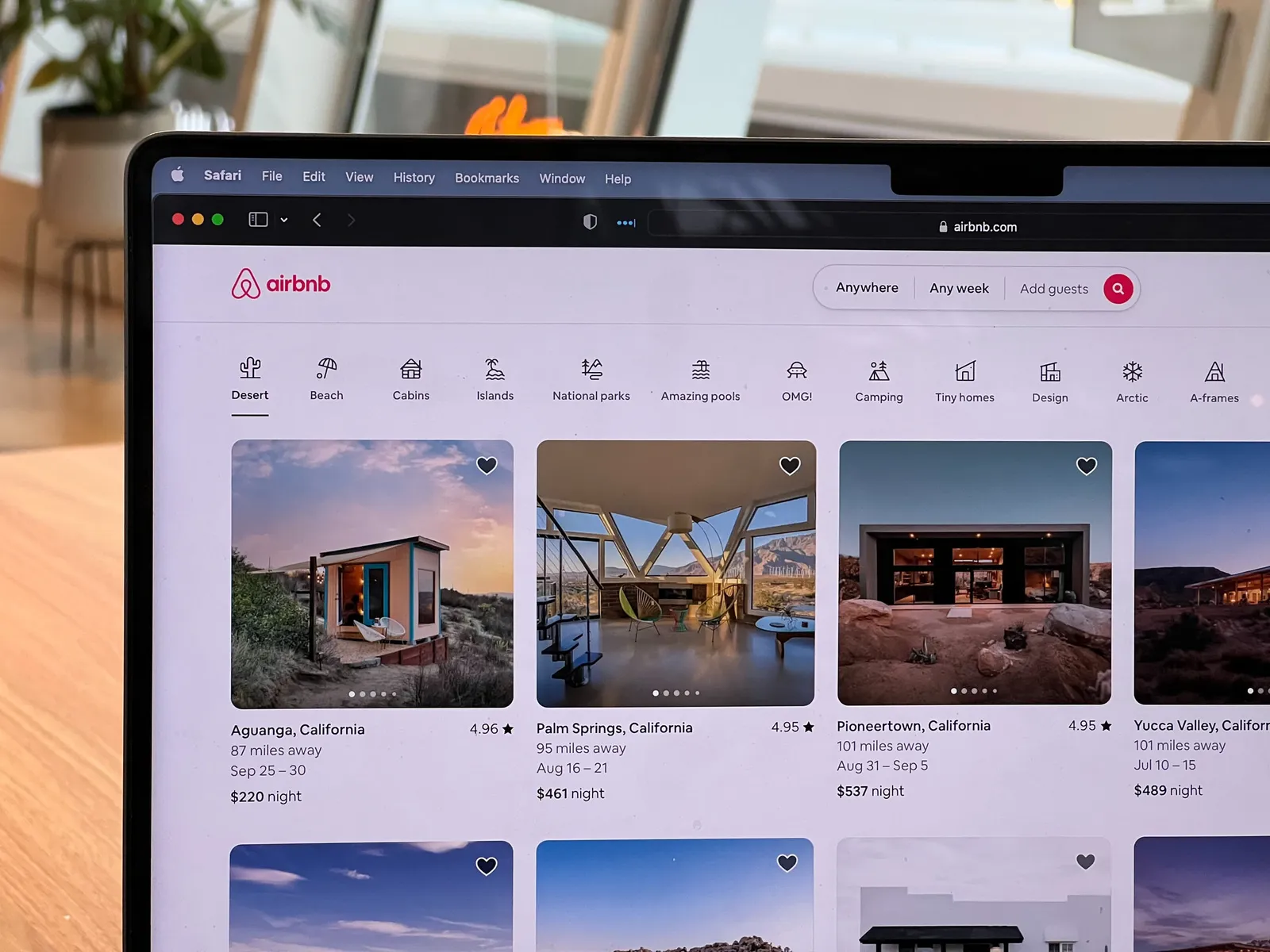
With the rise of holiday-let platforms such as Airbnb, France has adopted new legislation to regulate the sector. Enacted on 19 November 2024, the law introduces measures to rebalance the rental market and strengthen local regulatory tools.
Background and aims of the law
The rapid growth of furnished holiday lets has reduced the supply of homes for permanent residents, particularly in high-pressure areas. This has driven up rents and created economic imbalances in some districts. The law of 19 November 2024 aims to:
• Preserve access to housing in areas of high demand.
• Reduce the tax advantages that favour holiday lets over traditional leases.
• Strengthen mayors’ powers to regulate furnished holiday lets in their area.
Main provisions of the law
=> Limiting the letting period
Municipalities can now limit to 90 days a year the maximum period during which a main residence may be let to tourists, down from 120 days. This measure aims to preserve housing for permanent residents.
=> Reduced tax advantages
The law changes the tax allowances on income from furnished lets:
• 50% allowance for classified furnished lets and guest rooms, up to €77,700 of annual rental income (previously 71%).
• 30% allowance for unclassified furnished lets, up to €15,000 of annual rental income (previously 50%).
These new rates apply to income received from 1 January 2025.
=> Declaration and registration
By 20 May 2026, every furnished holiday let must be the subject of a mandatory declaration through a dedicated national online service. Owners must prove that the home let is indeed their main residence by providing the appropriate documents.
=> Energy performance requirements (DPE)
Homes offered as furnished holiday lets must meet energy performance standards:
• At least class F from 2025.
• Class E in 2028.
• Class D or better from 2034.
Owners have ten years to comply, in line with the 2021 Climate and Resilience law.
=> Stronger powers for mayors
The law gives mayors new powers to regulate furnished holiday lets:
• Set quotas for holiday-let authorisations in their municipality.
• Impose penalties for breaches, with fines of up to €20,000 for a false declaration or a fake registration number.
• Amend co-ownership regulations to prohibit or restrict holiday lets, with a two-thirds majority of votes, which is easier than the unanimity previously required.
Timetable
• Limiting the letting period: municipalities can apply the 90-day limit from 2025.
• New tax allowances: apply to rental income received from 1 January 2025.
• Mandatory declaration: all furnished holiday lets must be declared by 20 May 2026 at the latest.
• Energy performance requirements: the deadlines run from 2025 to 2034, depending on the level required.
Reactions and debate
The law has drawn various reactions:
• Support from local officials: many mayors welcome these measures as effective tools against the housing shortage and to regulate the rental market.
• Concerns from owners and platforms: some fear these restrictions will hit the profitability of holiday lets and discourage property investment.
• Debate on implementation: discussions focus on how the measures will work in practice and on their real impact on the housing market.
Conclusion
The law of 19 November 2024 marks a significant step in regulating furnished holiday lets in France. By limiting the letting period, reducing the tax advantages and strengthening municipal powers, it seeks to restore a balance between the economic dynamism of tourism and residents’ housing needs.
Its implementation will need to be followed closely to assess its real impact. Owners, local authorities and platforms will need to work together for a fairer, more sustainable rental market.
With precise deadlines and dissuasive penalties, the law stands as an ambitious response to the housing crisis that also takes environmental issues into account.
Thinking of selling in Paris or southern Burgundy?
Get a precise, reasoned valuation of your property. A personal reply within 24 hours, confidential and without obligation.