

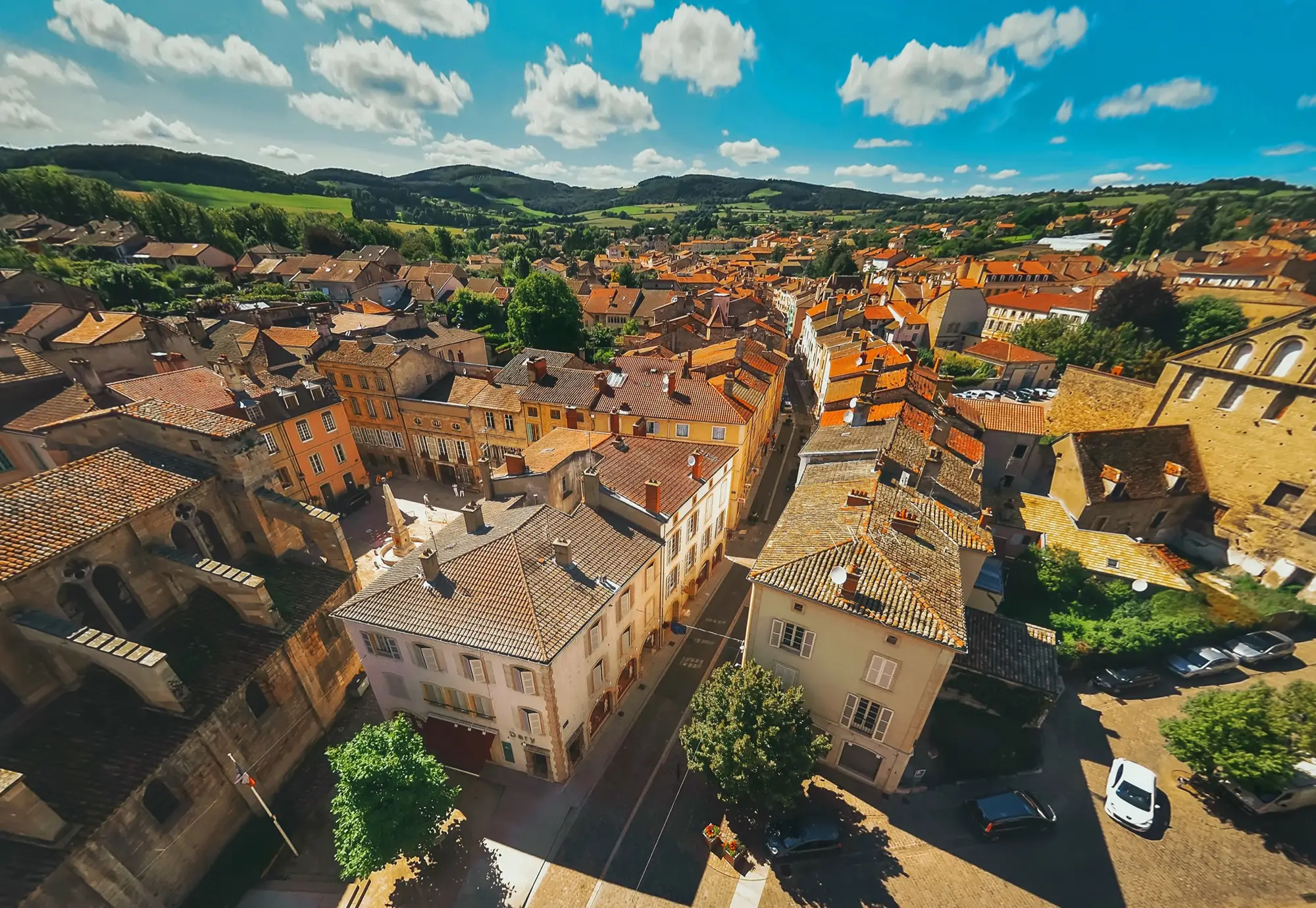
Southern Burgundy · Stone houses
Stone houses for sale around Cluny
Golden limestone walls, old beams, weathered tiles: our selection of stone houses in the Clunisois and the Mâconnais, and what to look at before buying one.
- 4.7/564 Google reviews · Paris
- 4.8/532 Google reviews · Cluny
- Since 2015independent agency
- Guarantee 110 000 €client funds protected
- Licensed estate agentCCI Paris Île-de-France
Houses we have visitedWe know every house: its history, its works, the points to watch.
A builder’s eyeWalls, roof, timbers, drainage: we tell you what matters before you make an offer.
Local craftsmenLime masons, roofers, carpenters: we put you in touch with those who know how to restore.
The Story’s selection
Stone houses available
10 properties available
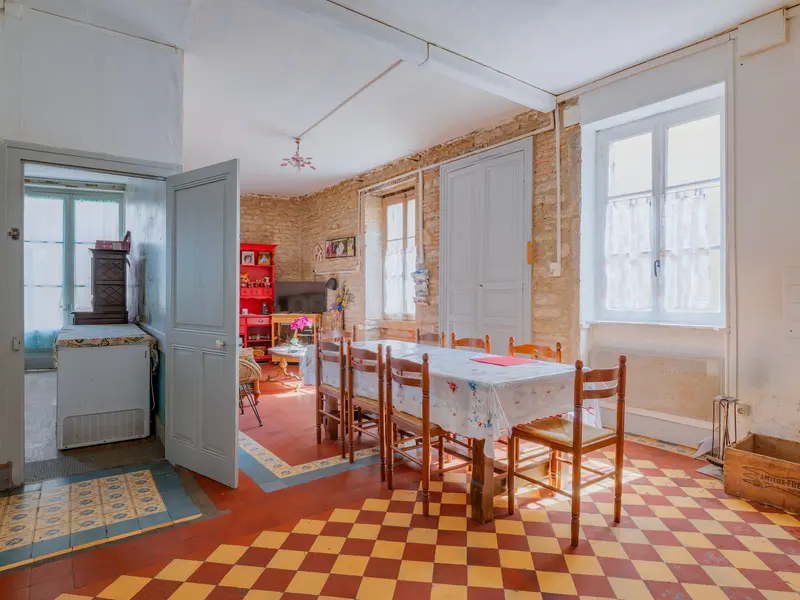
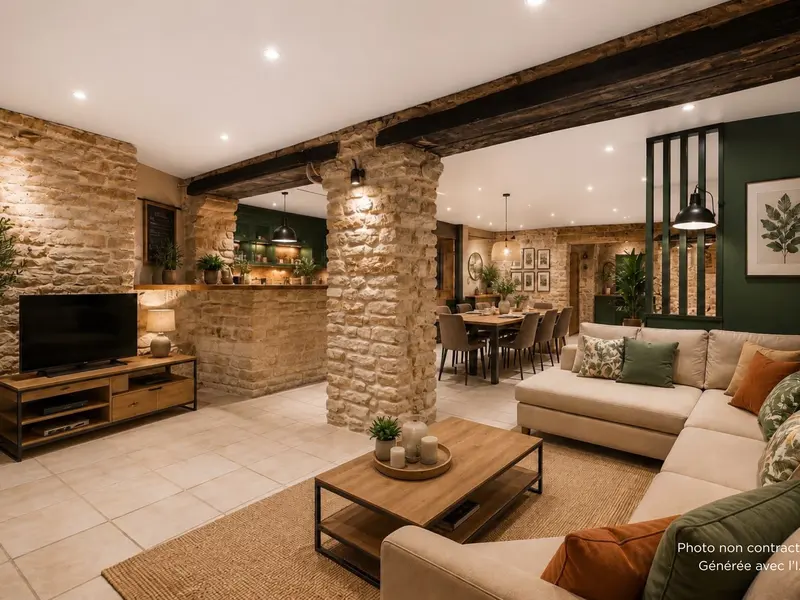
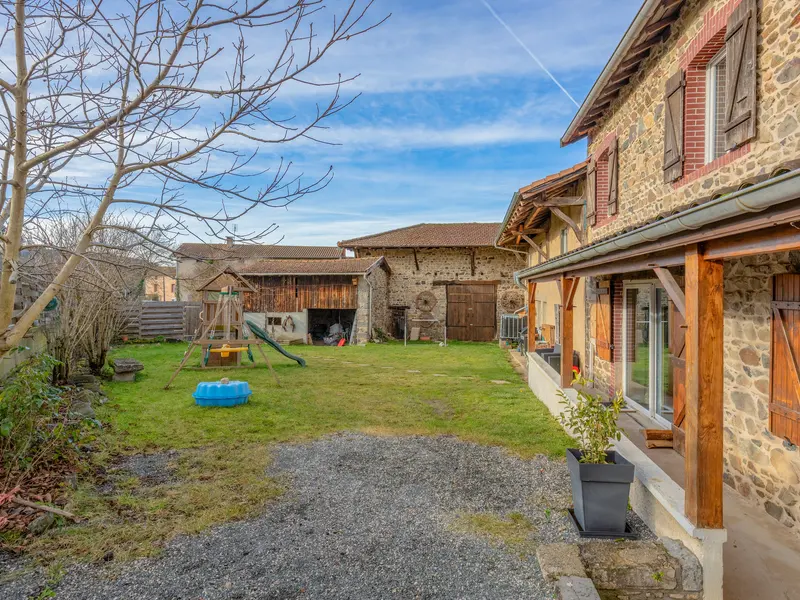
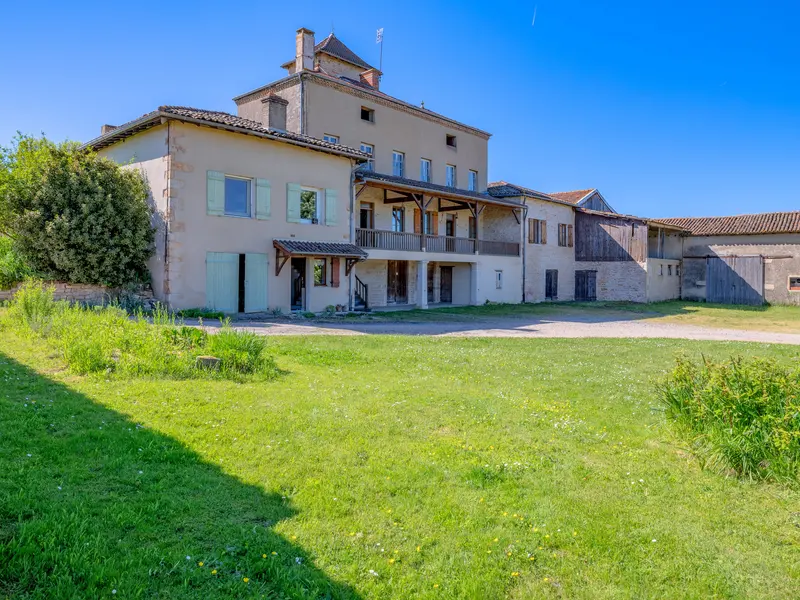
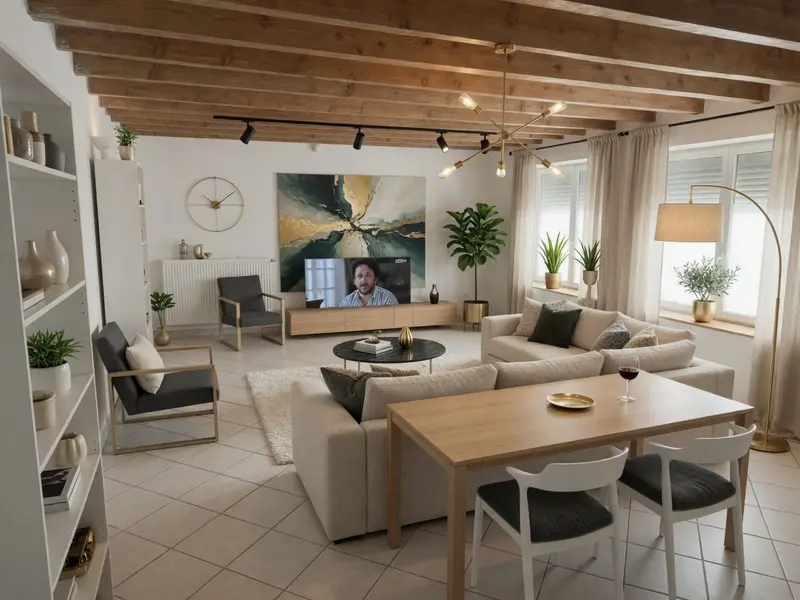
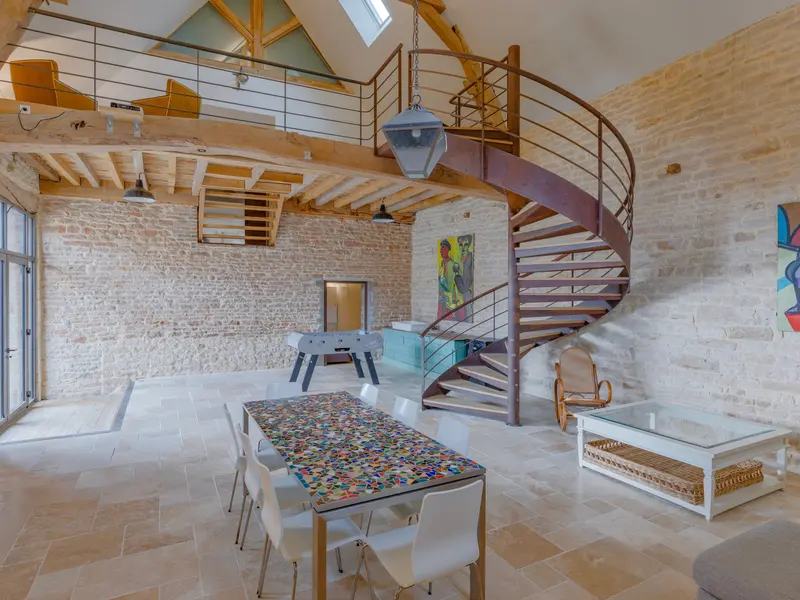
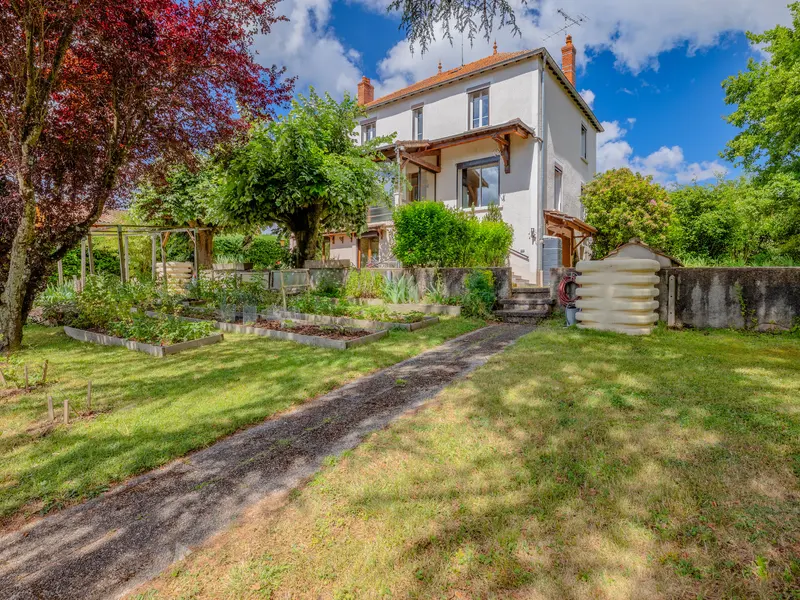
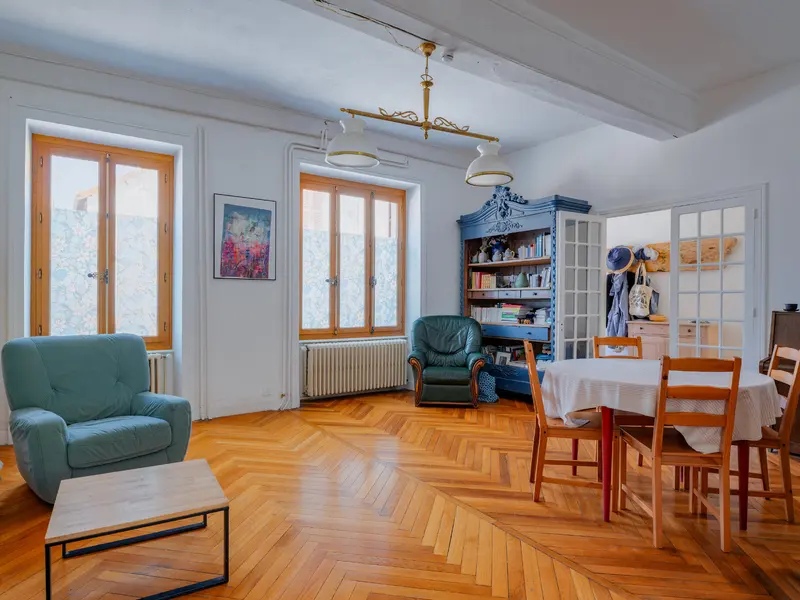
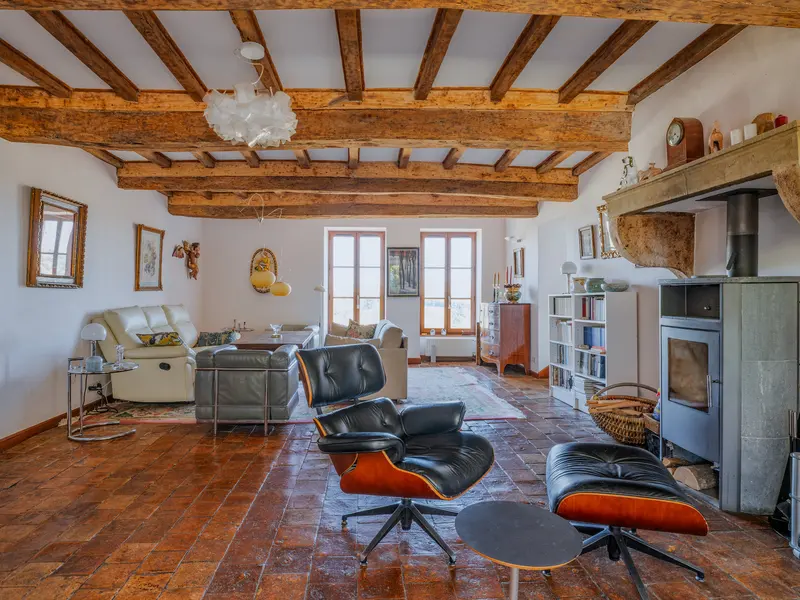
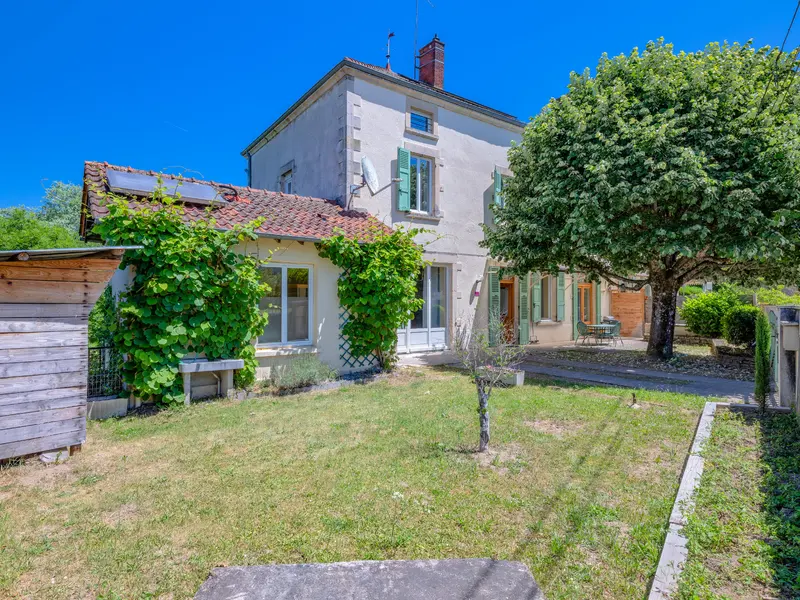
€1,830/m²median price of houses around Cluny (2024-2025 sales, DVF)
96 m²median area of houses sold
1,177 m²median plot
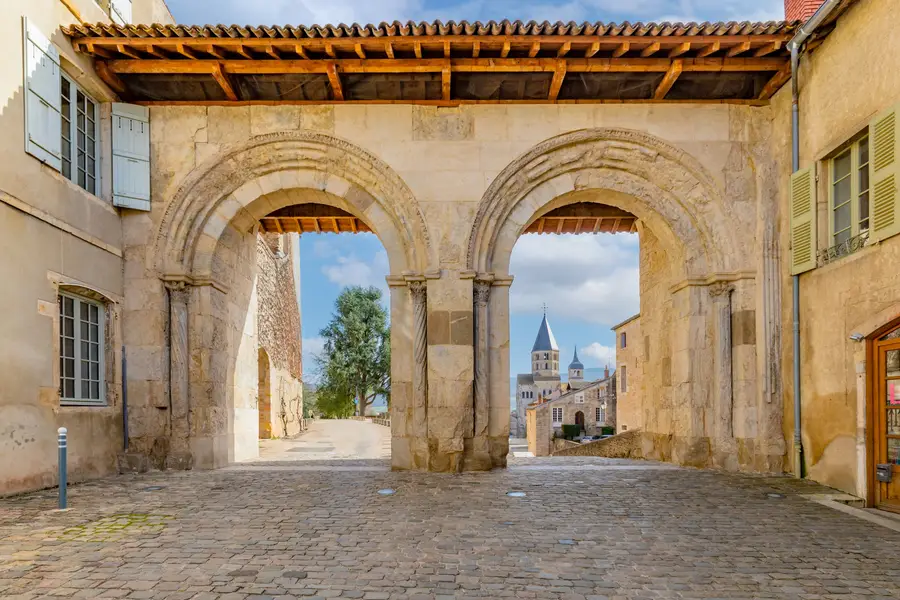
The stone of the Clunisois
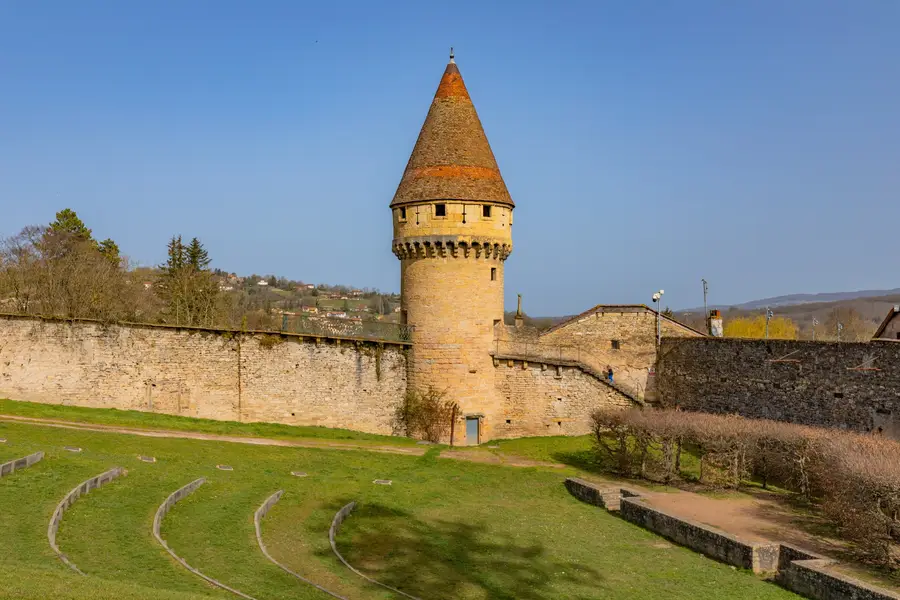
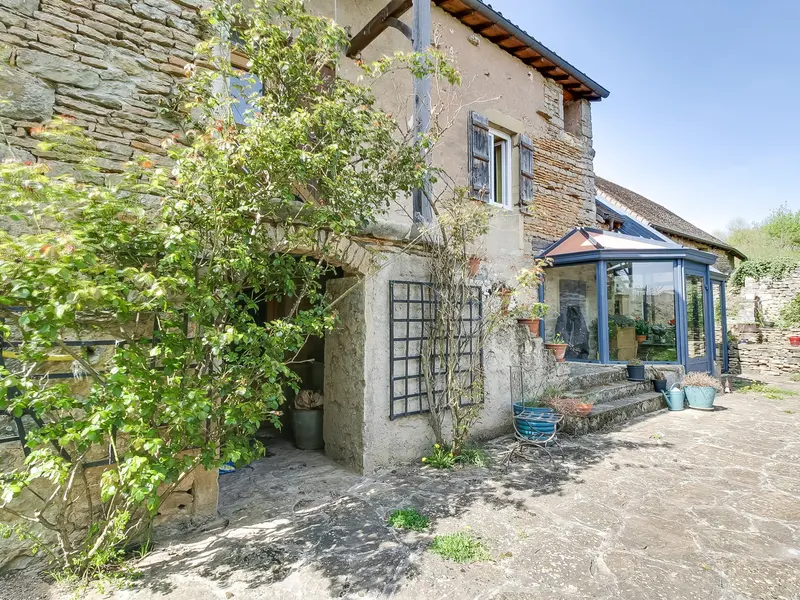
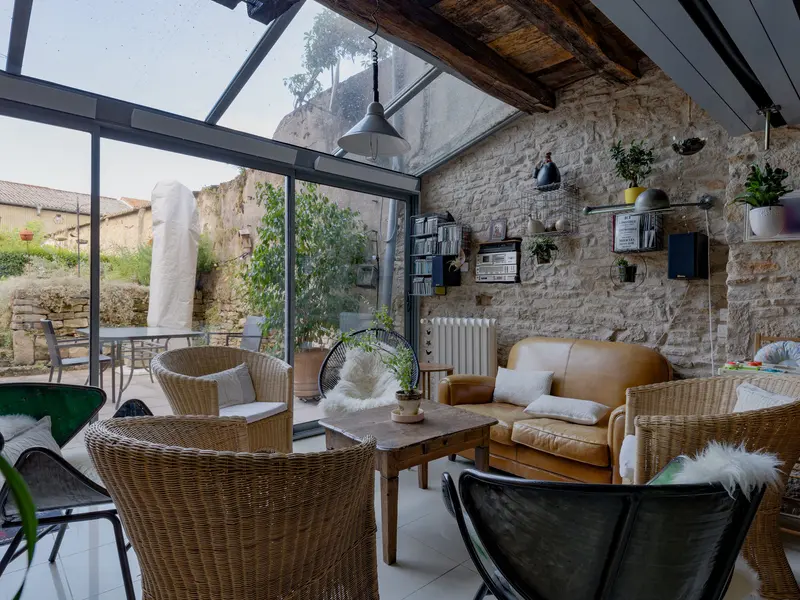
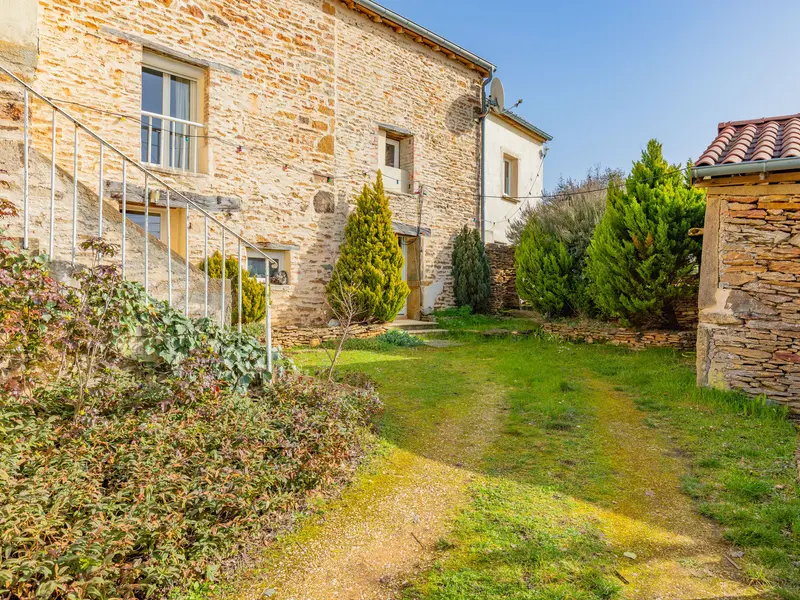
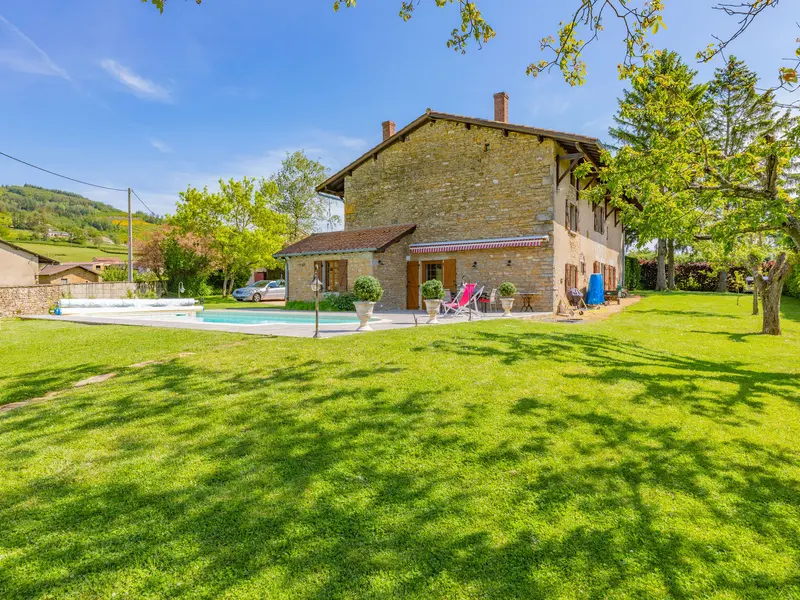
Around Cluny, houses are built of local limestone, a pale gold that turns honey-coloured at the end of the day. The walls are often fifty to sixty centimetres thick: they keep the house cool in summer and hold the warmth of the stove in winter.
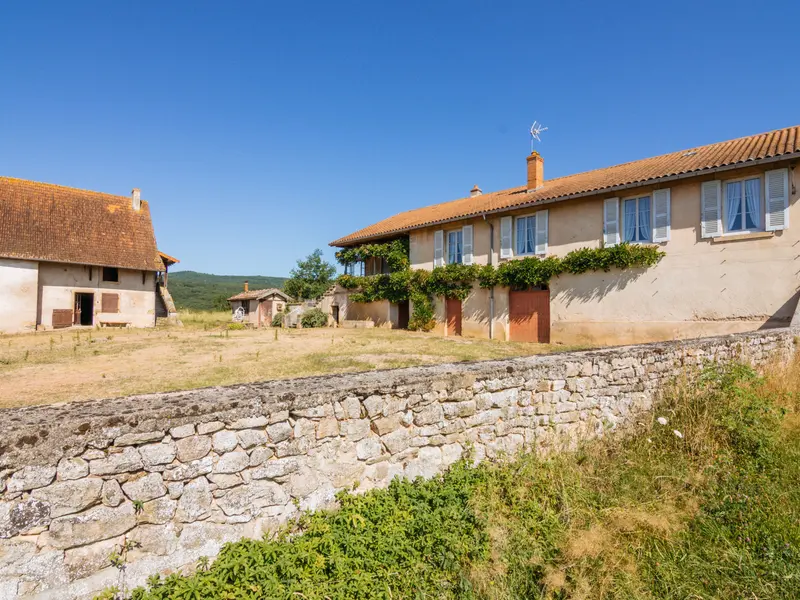
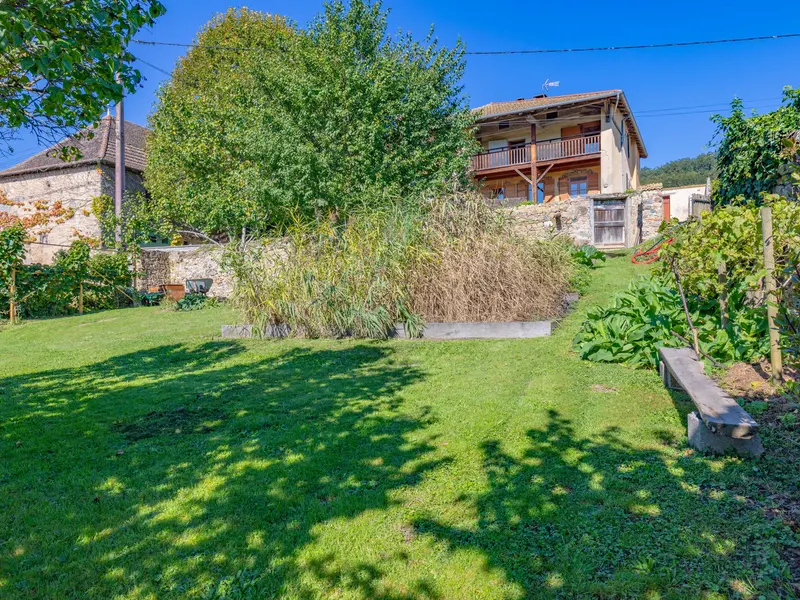
Here you will find village houses in Cluny, Mâconnais winegrowers’ houses with their upstairs gallery, U-shaped farmhouses around a courtyard and a few maisons de maître. To see prices village by village, visit our market data.
Before you buy: what we look at with you
The walls first: a cement render stops the stone from breathing and draws damp up. A lime render, on the contrary, lets it dry. Then the roof and the timbers, which are often the heaviest item of work.
In the countryside, drainage is usually a private system: the SPANC inspection report is attached to the preliminary contract and says whether the installation must be redone. Finally, the energy rating often penalises old houses: an E or F says little about the real comfort of a stone house, but it matters for a future letting.
Restoring without spoiling
A stone house is restored with materials that let it breathe: lime renders and pointing rather than cement, wood-fibre or hemp insulation, wooden windows. Cement and airtight insulation trap damp in the walls, which eventually deteriorate.
In Cluny, the old town is a protected heritage site: façades, roofs and windows go through the Architecte des Bâtiments de France. Elsewhere, the local planning rules apply. Before your offer, we tell you what is allowed and put you in touch with local craftsmen who work with stone, lime and tiles.
Our references
Already sold by Story’s
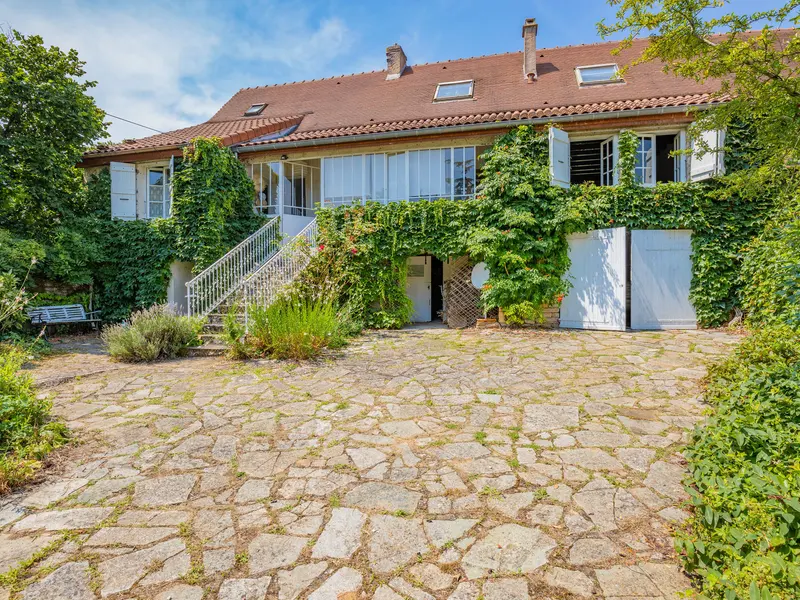
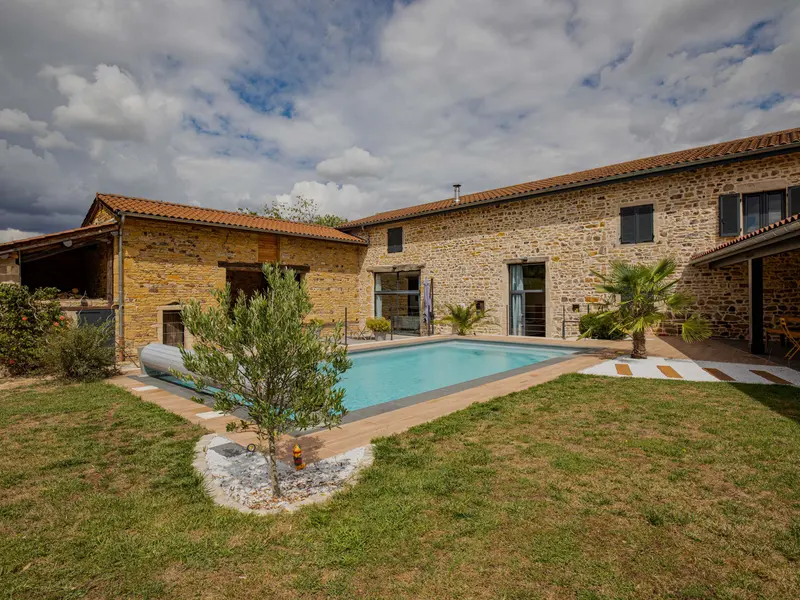
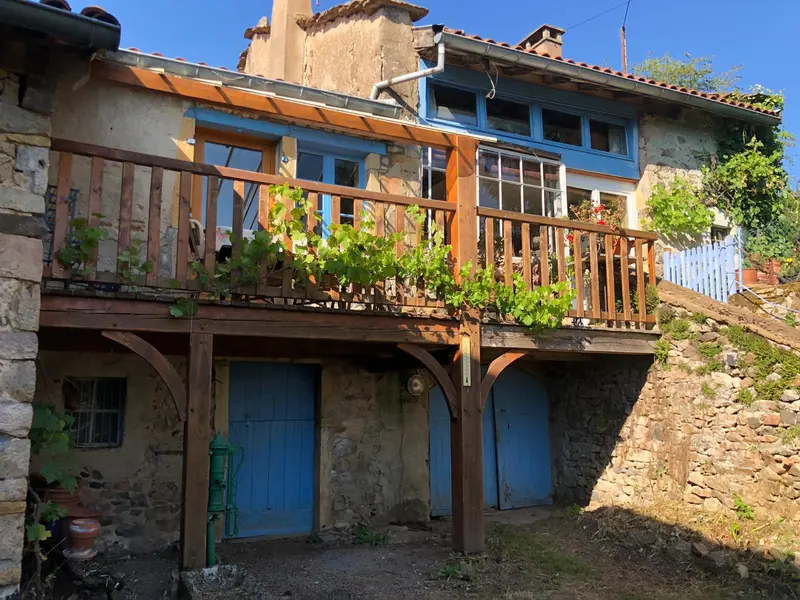
24 homes sold by Story’s matching these criteria; here are the most recent.
Owners
Value my houseSelling a stone house?
Walls, roof, land, outbuildings: we value your house on site, from the actual sales in neighbouring villages and the buyers looking for a characterful home.
Get our stone houses before they are published
Some of our houses sell before they go online. Tell us what you are looking for: budget, villages, land. We will write as soon as a house matches.
Your contactStory's Cluny21 rue Mercière, 71250 ClunyTuesday and Wednesday: 9 am – 1 pm, 2 pm – 6 pmThursday and Friday: 9.30 am – 1 pm, 2 pm – 6 pmSaturday: 9 am – 1 pm03 85 20 77 40
A personal reply within 24 working hours, no obligation.
Client reviews
What our clients say
The public Google ratings of our two agencies, updated daily.
Story's Paris
4.7
★★★★★★★★★★64 Google reviews
Story's Cluny
4.8
★★★★★★★★★★32 Google reviews
Frequently asked questions
How much does a stone house cost around Cluny?
Houses sold for a median €1,830 per m² around Cluny in 2024-2025 (DVF data). A village house to restore can be found for under €150,000; a restored property with land and outbuildings often exceeds €400,000.
Is a stone house hard to heat?
Thick walls have high thermal inertia: once the house is warm, it stays warm. Insulation is done mainly through the roof, the windows and, if needed, an insulating lime render inside.
Is permission needed to redo a façade?
Yes, a prior declaration at the town hall. In Cluny, whose old town is protected, the Architecte des Bâtiments de France gives an opinion on renders, windows and colours.